
The Shift in Fleet Strategy: Why Leasing is Replacing Ownership
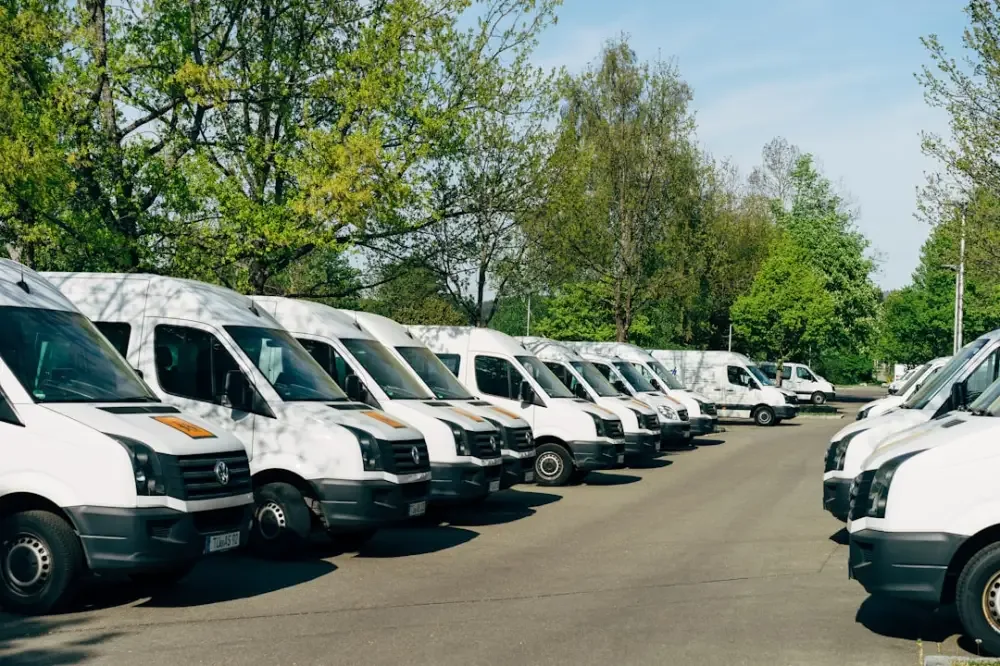
For decades, the hallmark of a successful service or delivery business was the sight of a fully owned fleet parked in the company lot. Ownership was equated with stability and asset accumulation. However, as the global economy shifts toward 'as-a-service' models and technological cycles shorten, the traditional philosophy of vehicle ownership is being scrutinized by CFOs and fleet managers alike. In the current logistical landscape, commercial van leasing is no longer just a financial alternative; it is becoming the preferred strategic maneuver for companies looking to scale rapidly without the anchor of heavy depreciation.
The move toward leasing reflects a broader trend in corporate America: a preference for agility over possession. In an era defined by fluctuating fuel prices, rapid advancements in electric vehicle (EV) technology, and volatile resale markets, the ability to pivot is more valuable than the title to a aging chassis. When we analyze the patterns of high-growth companies, a clear trend emerges—they aren't just buying vans; they are investing in mobility solutions that evolve with their needs.
The Liquidity Factor: Capital as a Growth Engine
The primary barrier to fleet expansion has historically been the massive capital outlay required to put new wheels on the road. Purchasing a commercial van outright, or even securing a traditional loan with a significant down payment, ties up liquid capital that could be better spent on revenue-generating activities like marketing, R&D, or hiring top-tier talent. This is where the editorial narrative of fleet management takes a turn toward financial engineering.
Leasing allows a business to conserve its borrowing capacity. By moving the expense from a capital expenditure (CapEx) to an operating expense (OpEx), companies maintain a cleaner balance sheet. This liquidity is the fuel for growth. When a sudden contract opportunity arises, a business that leases can acquire five new vans with the same initial cash outlay that an owner-operator might spend on a single vehicle's down payment. In the race to capture market share, the company that can deploy assets the fastest usually wins.
The Hidden Costs of the Ownership Lifecycle
While the 'sticker price' of a van is the most visible cost, the true expense of ownership lies in the tail-end of the vehicle's life. Maintenance costs do not scale linearly; they accelerate. An aging van doesn't just cost more in parts; it costs more in 'lost opportunity'—the revenue vanished while a vehicle sits in the shop. Commercial leasing structures often include maintenance packages or, at the very least, ensure that the business is cycling out vehicles before they reach the high-maintenance 'red zone.'
Bridging the Technological Gap
Perhaps the most compelling argument for leasing in the modern era is the rate of technological obsolescence. We are currently witnessing a revolution in commercial vehicle engineering. From advanced telematics and autonomous safety features to the massive shift toward electrification, the van of today will look like a relic in five years. For a company that owns its fleet, this means being stuck with outdated, less efficient technology that may eventually face regulatory hurdles or lower resale value.
Leasing acts as a hedge against technological risk. It allows a fleet manager to treat vehicles like software—upgradable and replaceable. Why should a business commit to a ten-year ownership cycle for a diesel van when the infrastructure for electric fleets is maturing every year? Leasing provides a structured 'exit' that ensures the fleet remains modern, fuel-efficient, and representative of a forward-thinking brand.
- Access to Newer Safety Tech: Newer vans come equipped with lane-keep assist, adaptive cruise control, and 360-degree cameras, reducing insurance premiums and accident-related downtime.
- Fuel Efficiency Gains: Each new model year typically offers better MPG or improved battery range, directly impacting the bottom line.
- Brand Image: A fleet of modern, well-maintained vans serves as a rolling billboard for a company’s professionalism and success.
Predictability in an Unpredictable Market
In the world of logistics, uncertainty is the enemy of profit. The used vehicle market is notoriously volatile; a sudden influx of inventory or a change in emissions standards can crater the resale value of a fleet overnight. When a company leases, the 'residual value risk' is transferred to the lessor. The business knows exactly what its mobility costs will be for the next 36 to 48 months, allowing for precise long-term budgeting.
This predictability extends to operational management. Commercial van leasing often streamlines the administrative burden of fleet management. Instead of managing multiple titles, varying maintenance schedules, and complex depreciation tables, the business deals with a unified monthly payment. This reduction in 'cognitive load' for management allows them to focus on the core business rather than the minutiae of vehicle logistics.
The Scalability Advantage
Growth is rarely a straight line. It comes in surges. A seasonal peak or a new regional expansion requires a fleet that can breathe. Leasing offers the flexibility to scale up during periods of high demand and, depending on the lease structure, re-evaluate the fleet size at the end of the term. This elasticity is nearly impossible to achieve with ownership without incurring significant losses during the quick sale of assets.
Conclusion: The Strategic Shift from Possession to Utilization
The transition from owning to leasing is a reflection of a more mature approach to business operations. It recognizes that a van's value to a company lies in its utility—its ability to move goods and services from point A to point B—rather than its status as a piece of property. By choosing to lease, businesses are choosing to prioritize cash flow, technological relevance, and operational agility.
As we look toward the future of fleet transportation, the companies that thrive will be those that view their vehicles as dynamic tools rather than static investments. Commercial van leasing provides the framework for this modern perspective, offering a path to growth that is as efficient as the vehicles themselves. For the modern enterprise, the question is no longer 'why lease?' but rather 'how much faster can we grow if we do?'